 Storyline & Sinker
B2B content strategyCase study
How Oral Arts Built B2B Engagement in a Specialized Market
Oral Arts connected audience research with its own expertise: technician demonstrations, doctor interviews, and educational content. Its Instagram audience grew 104%, saves grew 2,642%, and the attention developed into professional conversations, visits, and greater visibility within the industry.
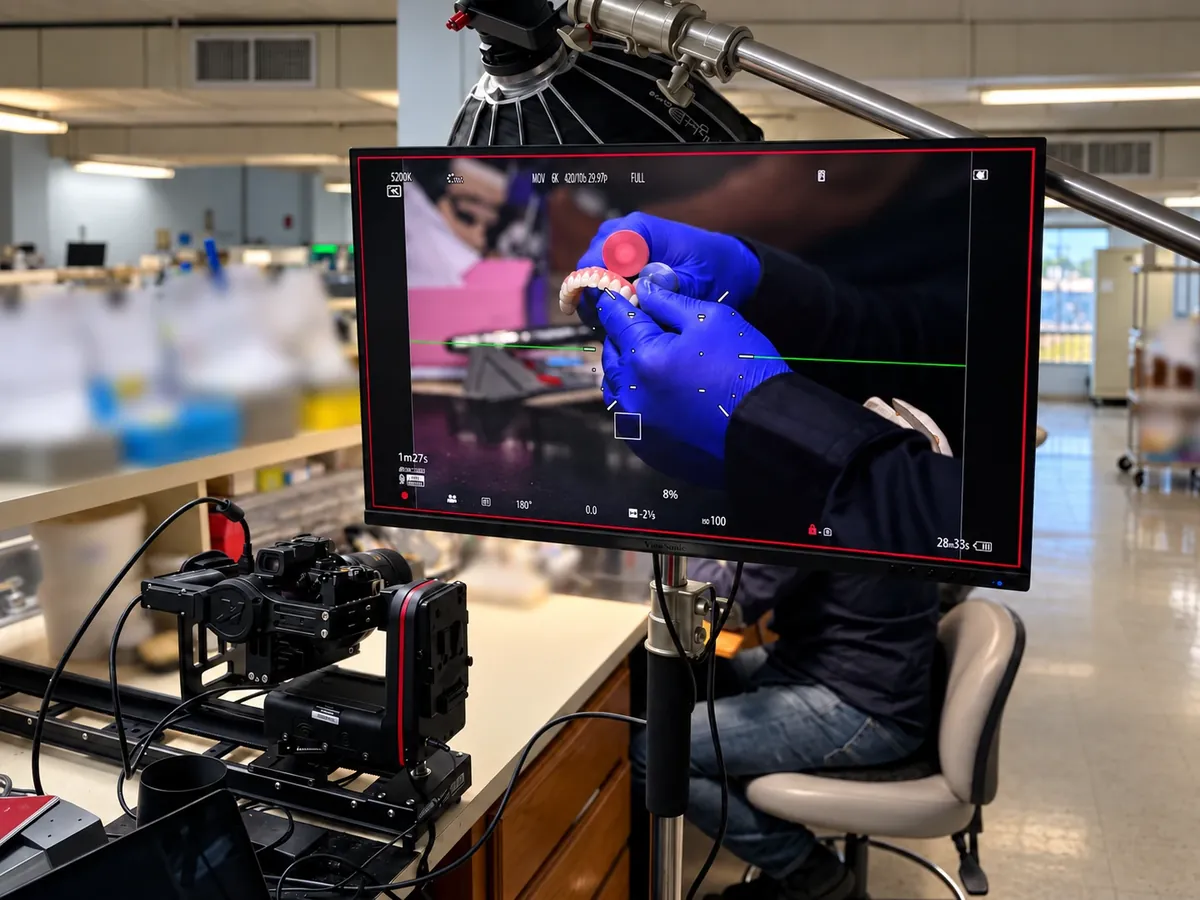
If you own or operate a B2B business, creating content that reaches potential customers can feel unusually difficult. Depending on your specialty and sales territory, your best-fit market might be a short list of companies, a few hundred accounts, or several thousand potential buyers.
Those buyers need a reason to care about what you publish. They have specific responsibilities, technical questions, and expectations of the businesses they work with. A polished video still needs to say something useful to them.
That creates a familiar problem: your business has substantial expertise, but turning it into content people want to watch, save, share, or discuss takes more than showing the finished product.
The Oral Arts Dental Lab project illustrates how research and content can meet that challenge—and how engagement can develop into professional conversations, visits, and greater visibility within an industry.
From New Follower to Real Conversation The follower research and personal follow-through behind the community engagement in this project.
The goal: earn attention from dental professionals
Oral Arts wanted a digital strategy that increased visibility, encouraged meaningful engagement with dental professionals, and strengthened its position as a trusted authority and reliable lab partner.
Trevor Chapman led the content strategy and execution. The approach connected audience research with technician demonstrations, doctor interviews, educational content, paid promotion, and community engagement.
At Oral Arts’ request, the strategy prioritized Instagram. The lab had a small team with limited bandwidth to work with.
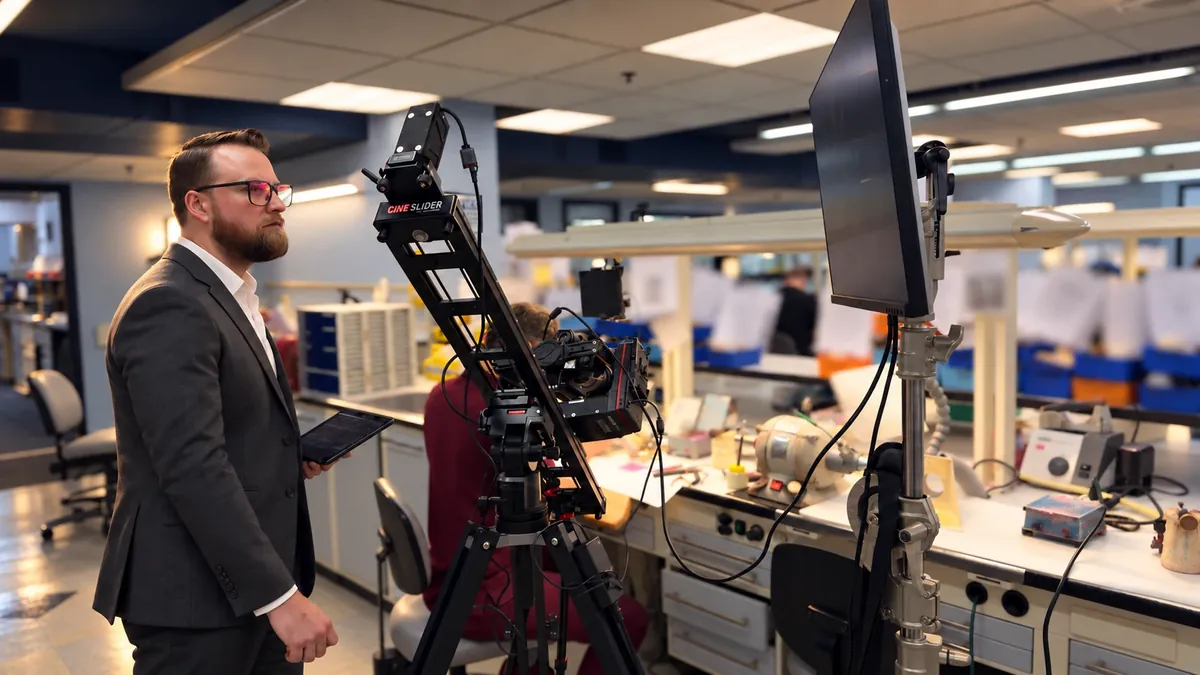
The audience needed to understand what the lab’s expertise meant for their practices: how the work was done, how digital workflows functioned, and what kind of communication and support they could expect.
Research made the content relevant to the buyer
The research examined industry conditions, competitor content, platform performance, and established client relationships. Efficiency, communication, and digital workflows emerged as important concerns.
Those findings supplied a direction for production. A technician demonstration could reveal the judgment behind a restoration. A doctor interview could explain the experience of using the lab. An educational post could answer a practical question worth saving.
For a B2B owner, this is where research becomes useful. It helps identify which parts of the business deserve attention and how to explain them to someone evaluating a potential partner.
Oral Arts’ firsthand expertise gave the content its substance. The people doing the work could demonstrate details that made the lab’s capabilities easier to understand.
Content that gave a specialized audience something to engage with
“In the Lab” became the strongest-performing format identified in the project review for generating discussion and supporting audience growth through paid promotion. Technicians performed and explained their craft, making the care and technical judgment behind the work visible.
Doctor interviews were the next strongest format. They brought the customer’s perspective into the content through firsthand experiences and practical observations about the lab.
Educational content gave dental professionals information to retain and revisit. Saves were a particular strength. Lab tours and event content created further opportunities to show the people, expertise, and relationships behind the business.

Each format had a purpose connected to the audience. Distribution and community management then helped that content reach people and develop into conversations.
Concentrated growth in a specialized market
By the September review, Oral Arts’ Instagram audience had increased from 7,284 to 14,863 followers. The main growth came through a concentrated execution of the strategy over a six-month period within the broader reporting period.
The recorded results included substantial increases in the actions people took around the content:
| Measure | Starting or comparison figure | Result | Change |
|---|---|---|---|
| Instagram followers | 7,284 | 14,863 | 104% growth |
| Instagram saves | 150 | 4,113 | 27.4× as many |
| Instagram shares | 189 | 1,567 | 8.3× as many |
| Instagram comments | 110 | 491 | 4.5× as many |
| Facebook net follows | 136 | 452 | 3.3× as many |
The review also reported three times as many Facebook conversations. Its competitor comparison placed Oral Arts ahead of the tracked Glidewell, Patterson, and Absolute accounts in Instagram followers at the time of measurement.
For a specialized B2B business, these results become more meaningful when connected to the professional activity around them. A save can reflect information someone intends to revisit. A share can carry an explanation into another professional conversation. A comment can open a question about how the business works.
Measurement: The table uses the review’s annual reporting and comparison periods, which include the four-to-six-month growth phase when the concentrated strategy took place. Engagement totals compare with the preceding 12 months. Results reflect content, organic publishing, paid promotion, and community management. Multiples are rounded.
The attention led to more interaction
Growing interest in Oral Arts brought more people reaching out about working with the lab, visiting, and having in-person discussions. The project review also describes increased engagement among young doctors and residents interested in collaborating.
These interactions gave the visibility and authority goals a practical expression. People were seeking closer contact with the business and the expertise its content presented.
Staff observed Glidewell and other dental labs beginning to adopt similar content approaches as Oral Arts gained visibility. That observation added another dimension to the project’s impact: the work was attracting attention within the competitive landscape as well as among prospective customers.
The strategy produced assets with continuing uses, too. Filmed demonstrations and interviews became a reusable content library. Doctor-insight content paired with an article supported sales conversations.
The work met the brief through a functioning strategy, audience growth, and stronger engagement. Its value extended into professional relationships, requests to connect in person, and material the business could continue using beyond individual posts.
What this means for your B2B business
Your audience’s size should shape the content strategy and how its results are judged. When your potential customers form a specialized group, the useful questions are specific: Are they engaging with the material? Asking better questions? Sharing it with others? Starting conversations or requesting closer access to the business?
The Oral Arts project shows how content can support those outcomes when it is built around the audience’s concerns and the company’s actual expertise.
Storyline & Sinker applies this research-led approach to content creation for B2B and service businesses in Huntsville, Madison, and the surrounding area.
If creating the content is only part of the problem, our diagnostic can help identify whether the first priority is production, ongoing execution, visibility, or demand.
What’s Actually Holding Back Your Marketing? Take the diagnostic.